

India on Friday reiterated that its decision to keep the Indus Waters Treaty in abeyance will remain unchanged until Pakistan takes credible and irreversible steps to end its support for cross-border terrorism, dismissing Islamabad's latest objections over the move.
New Delhi suspended the implementation of the treaty following the April 2025 terror attack in Pahalgam, Jammu and Kashmir, in which 26 tourists were killed. Since then, Pakistan has maintained before the international community that India's decision creates a dangerous precedent for countries sharing transboundary river systems.
Responding to those assertions, Ministry of External Affairs spokesperson Randhir Jaiswal said India's position had remained unchanged.
"India's position on the Indus Waters Treaty is consistent. IWT stands in abeyance in response to Pakistan's continued sponsorship of cross-border terrorism. Pakistan must credibly and irrevocably abjure its support for cross-border terrorism," Jaiswal told reporters.
India has consistently maintained that Pakistan continues to permit terrorist groups to operate from its territory and carry out attacks in India, particularly in Jammu and Kashmir.
Pakistan has continued diplomatic efforts to rally international backing on the issue. Earlier this week, Pakistan's Deputy Prime Minister Ishaq Dar said at an event that Islamabad rejected India's decision to suspend the treaty, insisting that it "remains valid, binding and operative."
During the same event, former Pakistani minister Bilawal Bhutto Zardari referred to the "nuclear option" while discussing the treaty, drawing criticism from strategic experts.
"Pakistan's nuclear bombs are not for ceremonial purposes. If all efforts fail to restore the Indus Water Treaty, Pakistan must explore the nuclear option."
India had also clarified in June 2025 that, while the treaty remains in abeyance, it is no longer obligated to fulfil its commitments under the agreement. At the time, the Ministry of External Affairs said, "No court of arbitration, much less this illegally constituted arbitral body which has no existence in the eye of law, has the jurisdiction to examine the legality of India's actions in exercise of its rights as a sovereign."
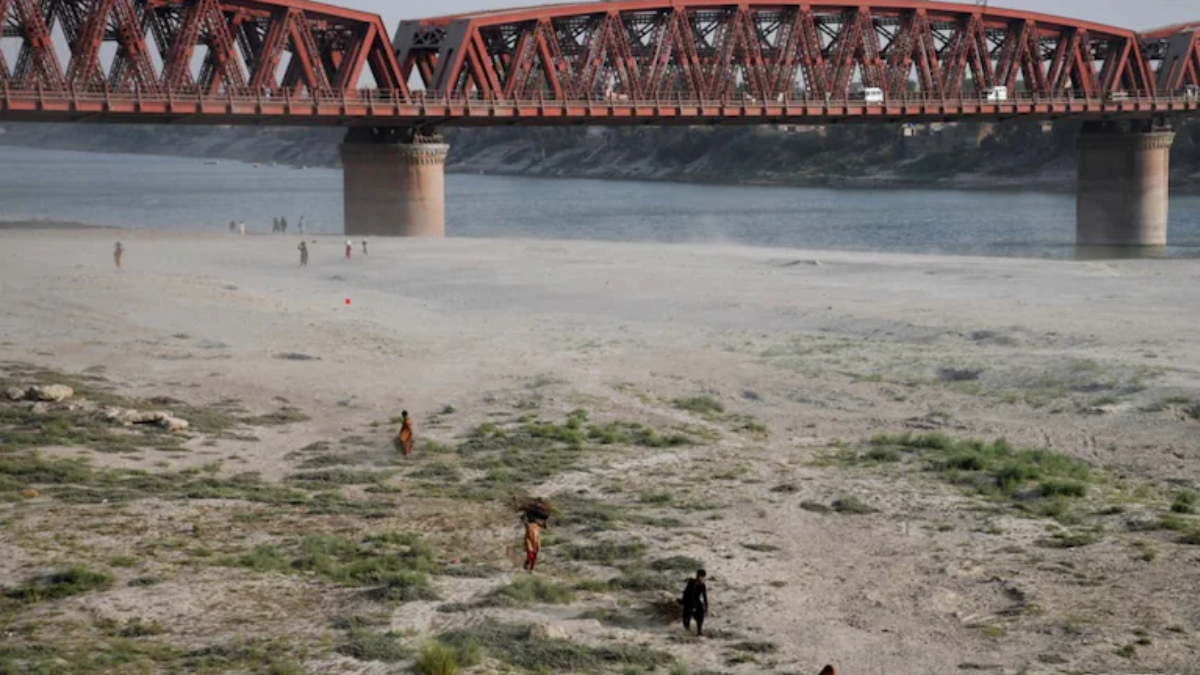
Brokered by the World Bank, the Indus Waters Treaty has governed the sharing and use of the Indus river system and its tributaries between India and Pakistan since 1960. The agreement was signed after nine years of negotiations.
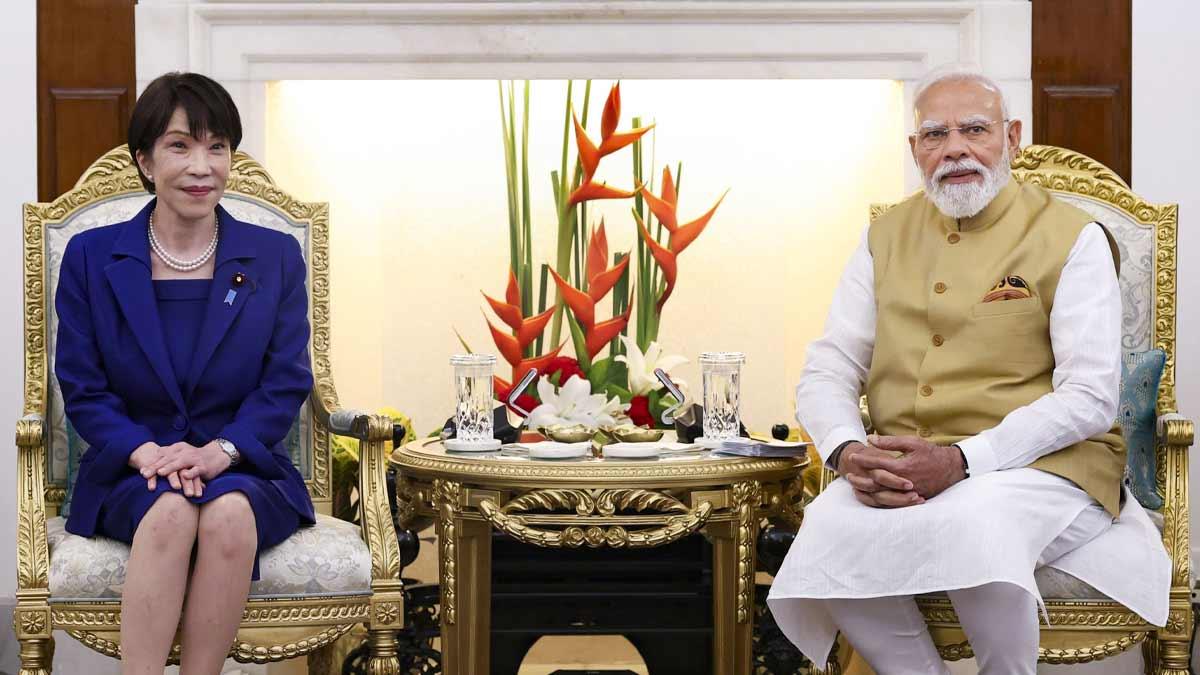
India also pointed to growing international concern over cross-border terrorism. Following bilateral talks between Prime Minister Narendra Modi and Japanese Prime Minister Sanae Takaichi on Thursday, the two countries issued a joint statement strongly condemning cross-border terrorism originating from Pakistan and called for coordinated international efforts to dismantle state-backed terror safe havens and financing networks.
During Friday's media briefing, Jaiswal also reiterated India's condemnation of Pakistani military strikes in Afghanistan, saying the attacks had resulted in significant civilian casualties.
"We had strongly condemned the airstrikes that happened from Pakistan into Afghanistan, in which several civilian lives, including women and children, were lost. We had offered our condolences on the passing away of precious lives, and we had also, at the same time, reiterated our strong support for the territorial integrity and sovereignty of Afghanistan," Jaiswal said.